

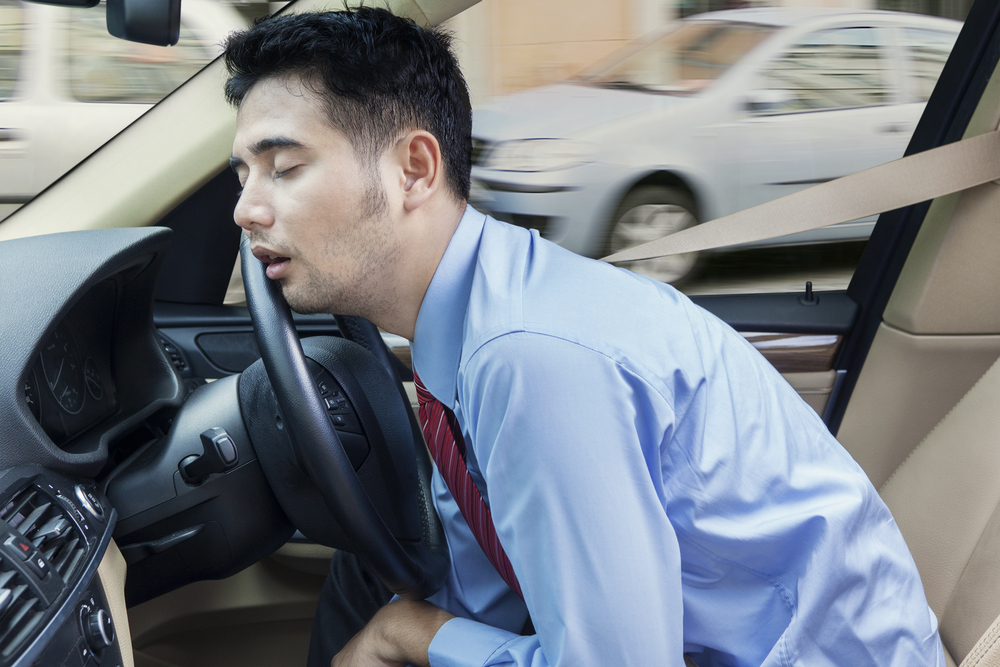
According to a 2005 poll conducted by the National Sleep Foundation, 60% of adult drivers (about 168 million people) say that they have been behind the wheel while feeling drowsy. What makes this information so concerning is the fact that driving when you’re tired is comparable to driving while intoxicated. It creates slow reaction times, poor judgement and decision making. Because of this, it’s estimated that 100,000 police-reported crashes have occurred, resulting in about 1,550 deaths, 71,000 injuries and $12.5 billion in monetary losses. That begs the question, how can drowsy driving be avoided altogether? Well, we have a few suggestions below:
Start by getting enough sleep. While the amount varies from person to person, it’s suggested that adults get 7-9 hours and teens get 8 ½-9 ½ hours of sleep each night.
Schedule your stops. You should be taking a break every 100 miles or two hours, whichever comes first.
Avoid alcohol and medications. Alcohol interacts with fatigue much like drinking on an empty stomach does, and some medications can do the same.
Take a travel buddy. If you’re taking a longer trip, having someone in the vehicle with you is ideal. You can switch off drivers and will have someone to talk to, helping you stay alert.
“Detection and Prevention.” Drowsy Driving Stay Alert Arrive Alive RSS. N.p., n.d. Web. 07 Oct. 2016.
Connect with us

Recent Posts
- Albany NY
- Car Care Tips Albany NY
- Car Care Tips Clifton Park NY
- Car Care Tips Glens Falls NY
- Car Care Tips Queensbury NY
- Car Care Tips Saratoga NY
- Clifton Park NY
- DELLA Mazda Service
- Driving Matters Albany NY
- Driving Matters Clifton Park NY
- Driving Matters Glens Falls NY
- Driving Matters Queensbury NY
- Driving Matters Saratoga NY
- Driving Safety Tips Albany NY
- Driving Safety Tips Clifton Park NY
- Driving Safety Tips Glens Falls NY
- Driving Safety Tips Queensbury NY
- Driving Safety Tips Saratoga NY
- Drowsy Driving Albany NY
- Drowsy Driving Clifton Park NY
- Drowsy Driving Glens Falls NY
- Drowsy Driving Queensbury NY
- Drowsy Driving Saratoga NY
- Glens Falls Mazda Dealer
- Glens Falls Mazda Service
- Glens Falls NY
- Glens Falls Used Cars
- Halloween Activities Albany NY
- Halloween Activities Clifton Park NY
- Halloween Activities Glens Falls NY
- Halloween Activities Queensbury NY
- Halloween Activities Saratoga NY
- Halloween Albany NY
- Halloween Clifton Park NY
- Halloween Glens Falls NY
- Halloween Queensbury NY
- Halloween Saratoga NY
- Mazda Advertisement Albany NY
- Mazda Advertisement Clifton Park NY
- Mazda Advertisement Glens Falls NY
- Mazda Advertisement Queensbury NY
- Mazda Advertisement Saratoga NY
- Mazda Innovation Albany NY
- Mazda Innovation Clifton Park NY
- Mazda Innovation Glens Falls NY
- Mazda Innovation Queensbury NY
- Mazda Innovation Saratoga NY
- Mazda Philanthropy Albany NY
- Mazda Philanthropy Clifton Park NY
- Mazda Philanthropy Glens Falls NY
- Mazda Philanthropy Queensbury NY
- Mazda Philanthropy Saratoga NY
- Mazda Racing News Albany NY
- Mazda Racing News Clifton Park NY
- Mazda Racing News Glens Falls NY
- Mazda Racing News Queensbury NY
- Mazda Racing News Saratoga NY
- Mazda Recognition
- Mazda Recognition Albany NY
- Mazda Recognition Clifton Park NY
- Mazda Recognition Glens Falls NY
- Mazda Recognition Queensbury NY
- Mazda Recognition Saratoga NY
- Mazda Sales News Albany NY
- Mazda Sales News Clifton Park NY
- Mazda Sales News Glens Falls NY
- Mazda Sales News Queensbury NY
- Mazda Sales News Saratoga NY
- Mazda Store Albany NY
- Mazda Store Clifton Park NY
- Mazda Store Glens Falls NY
- Mazda Store Queensbury NY
- Mazda Store Saratoga NY
- Mazda Stories Albany NY
- Mazda Stories Clifton Park NY
- Mazda Stories Glens Falls NY
- Mazda Stories Queensbury NY
- Mazda Stories Saratoga NY
- Queensbury NY
- Safe Driving Tips Albany NY
- Safe Driving Tips Clifton Park NY
- Safe Driving Tips Glens Falls NY
- Safe Driving Tips Queensbury NY
- Safe Driving Tips Saratoga NY
- Saratoga NY
- Tire Safety Albany NY
- Tire Safety Clifton Park NY
- Tire Safety Glens Falls NY
- Tire Safety Queensbury NY
- Tire Safety Saratoga NY
- Uncategorized
- Vehicle Maintenance Tips Albany NY
- Vehicle Maintenance Tips Clifton Park NY
- Vehicle Maintenance Tips Glens Falls NY
- Vehicle Maintenance Tips Queensbury NY
- Vehicle Maintenance Tips Saratoga NY
- Veterans Day Albany NY
- Veterans Day Clifton Park NY
- Veterans Day Glens Falls NY
- Veterans Day Queensbury NY
- Veterans Day Saratoga NY